

Aggressive Dog Behaviour
The vast majority of questions I get from owners involve aggressive dog behaviour or their dog’s reactivity.
But when it comes to dog aggression, sometimes it can be daunting for dog owners to know what is normal and what should be considered a cause for concern. The key thing to understand here is whether the dog’s behaviour means that you have lost control of the dog. If the lead is the only thing stopping your dog from rushing up to another dog or a person and trying to inflict damage, then you definitely have a situation that needs addressing. Fortunately, with some understanding of the causes of aggressive behaviour as well as the breeds most likely to display this type of behaviour, you can become better informed and able to address any issues that arise. In the vast majority of cases, problem aggression can be successfully dealt with – the key thing is to spot it and act early.
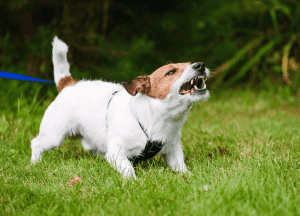
What Causes Aggressive Dog Behaviour?
Aggressive behaviour in dogs is typically caused by fear or anxiety, which can stem from unfamiliar people or animals entering their space or when they are feeling threatened. It can be triggered by food, it can be territory-related, or come from a natural guarding instinct. A key first step is to try and define exactly what is causing or triggering this behaviour, from which we can work on changing it. It is important to remember that all types of dogs may display aggressive behaviour, however, certain breeds have been known to have a higher propensity towards aggression due to their breed traits and history. It may be possible to change the dog’s behaviour completely, or to mitigate it such that you are able to be in control of the dog and put it on the lead – this will depend entirely on the dog itself and the nature of the problem. What is essential is to find a solution which enables you to stop worrying, and removes as far as posible the chance of your dog causing damage.
If your dog displays any signs of aggression, it is important to take action immediately. Consulting a professional dog behaviourist can be beneficial in order to identify the underlying cause of the aggressive behaviour and develop an appropriate treatment plan. Additionally, providing your pet with plenty of exercise and mental stimulation can help to reduce their stress levels and prevent any potential outbursts from occurring.
What To Do If Your Dog Is Aggressive?
Overall, if you notice that your pet is exhibiting aggressive behaviours, it is best to seek professional advice rather than attempting to manage the issue on your own. With proper training, understanding of the causes, and implementation of appropriate strategies, aggressive behaviour in dogs can be effectively managed so that they remain happy and healthy pets for years to come. In addition, this will give you peace of mind; in my experience, this is a crucial part of developing the relationship of trust between owner and dog. One of the key things to break is the classic vicious cycle that starts with aggressive dog behaviour, leading to the owner’s nervousness and apprehension that it will happen at any moment, which only makes the dog feel even more anxious and can be instrumental in causing the behaviour to recur even more frequently..
Reactivity Sessions In Hampshire
I run regular group sessions for dogs with reactivity or aggressive tendencies. Attending these sessions can be a very useful first step in controlling problem aggression in your dog. For details of dates and times, click here or contact me directly.
After taking the necessary steps to address their aggression, you’ll have a better idea of how to keep your dog well-behaved for good. So don’t let dog aggression get you down – take action now!
Wellbehaveddogs.co.uk offer advice, classes and 1to1 behaviour management sessions to address aggressive dog behaviour and reactivity. We operate in Hampshire and surrounding counties, and are based near Romsey. We offer home visits in areas such as Reading, Basingstoke, Southampton, Portsmouth, Winchester and Alton. We can also visit you in other parts of the UK subject to prior agreement.